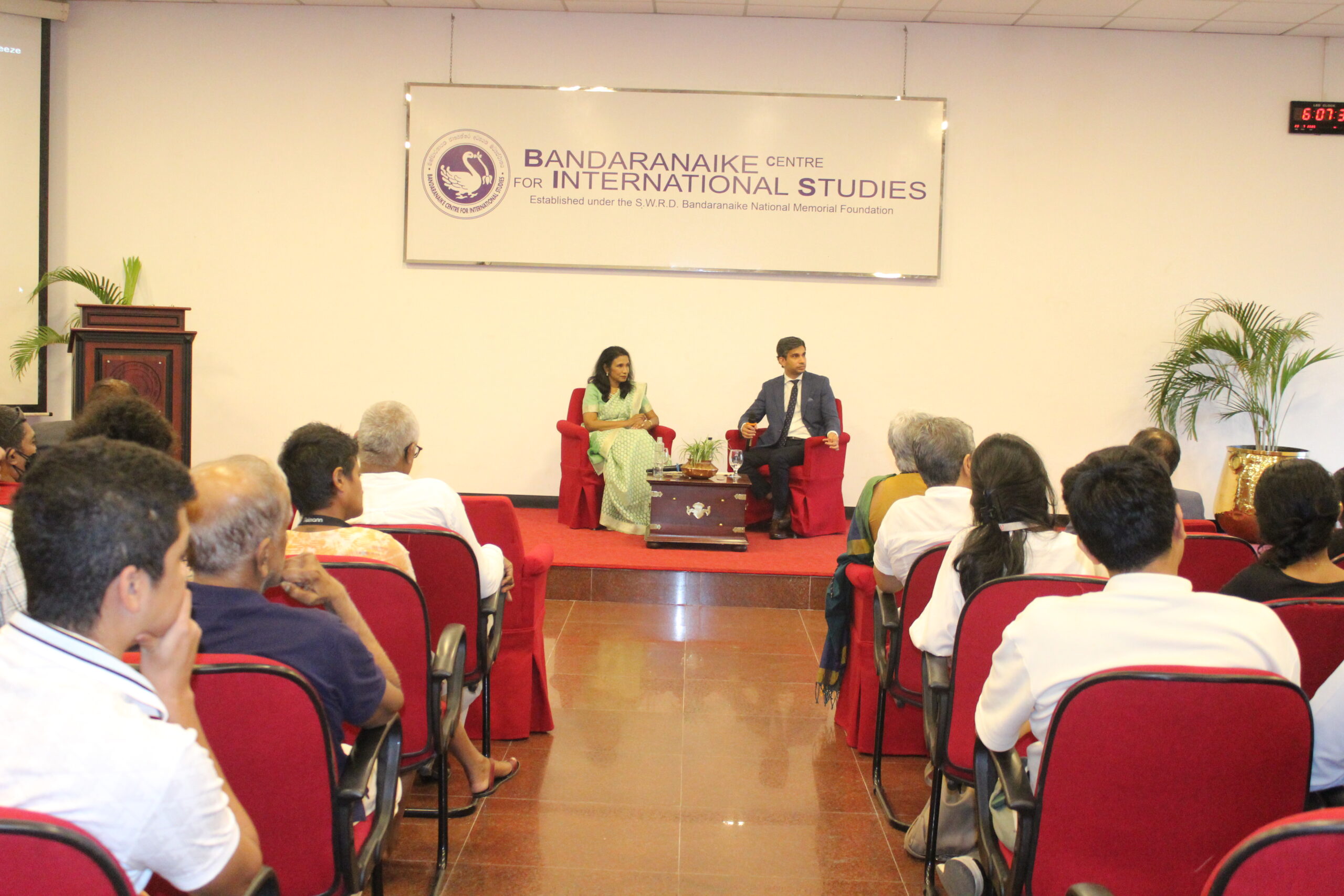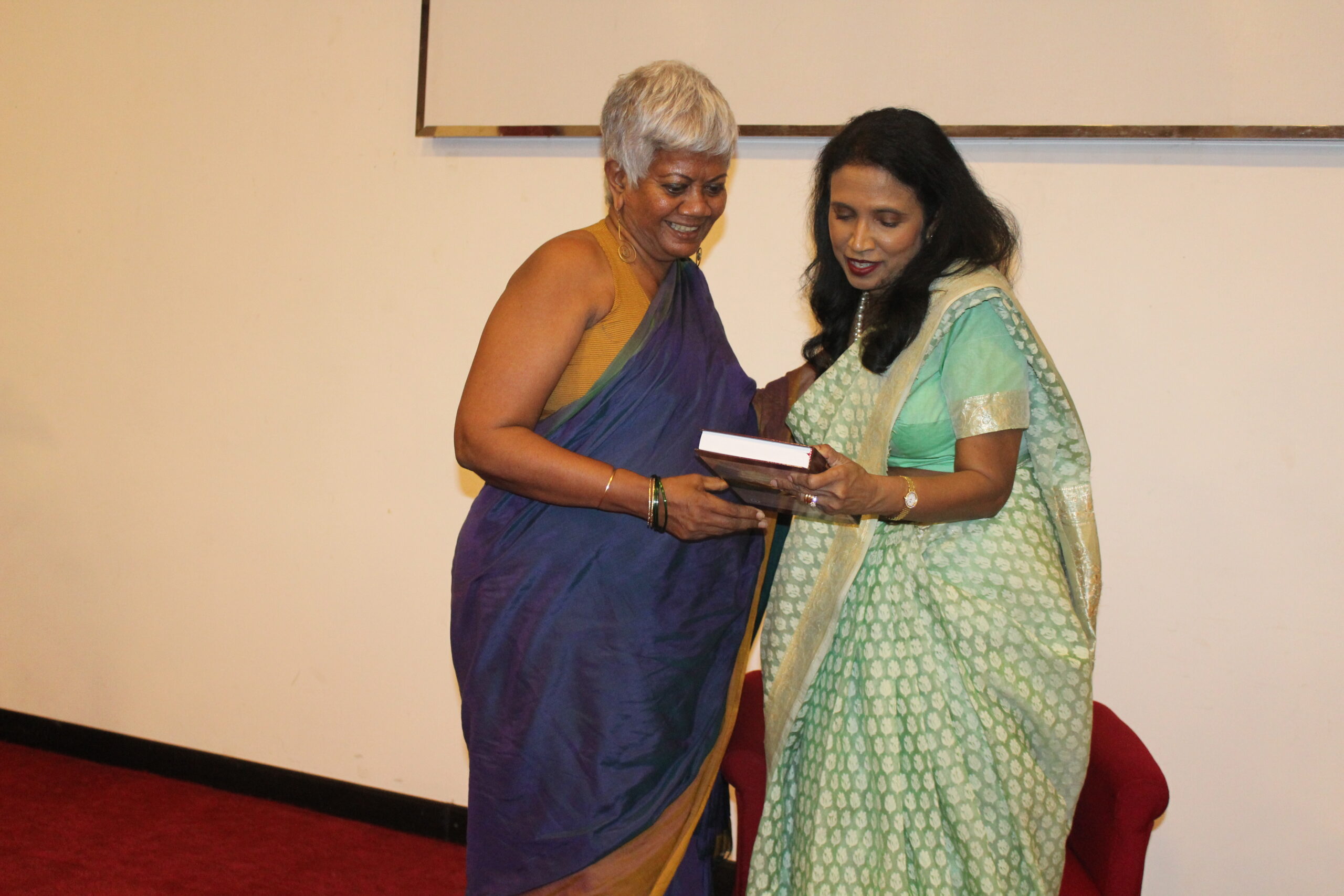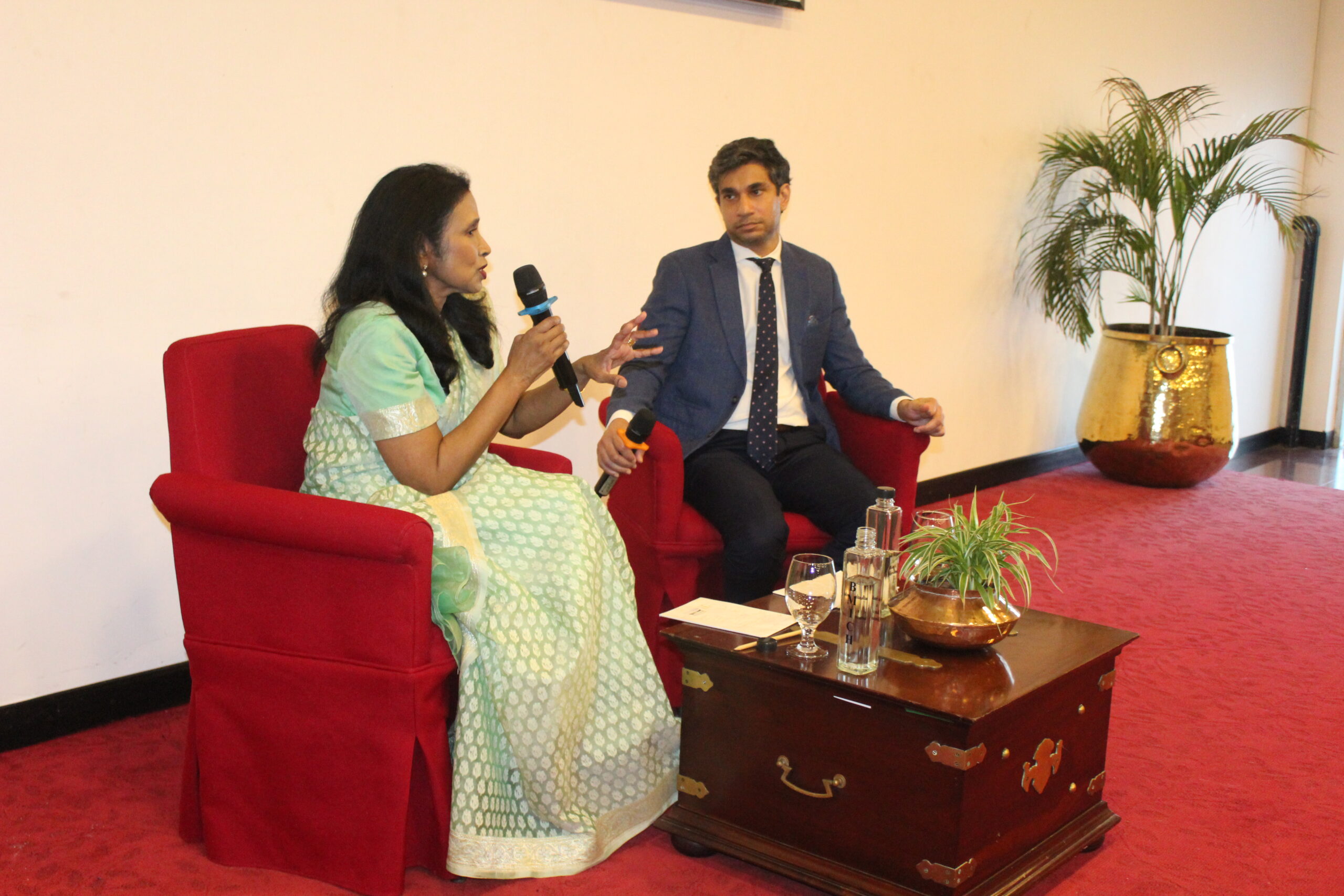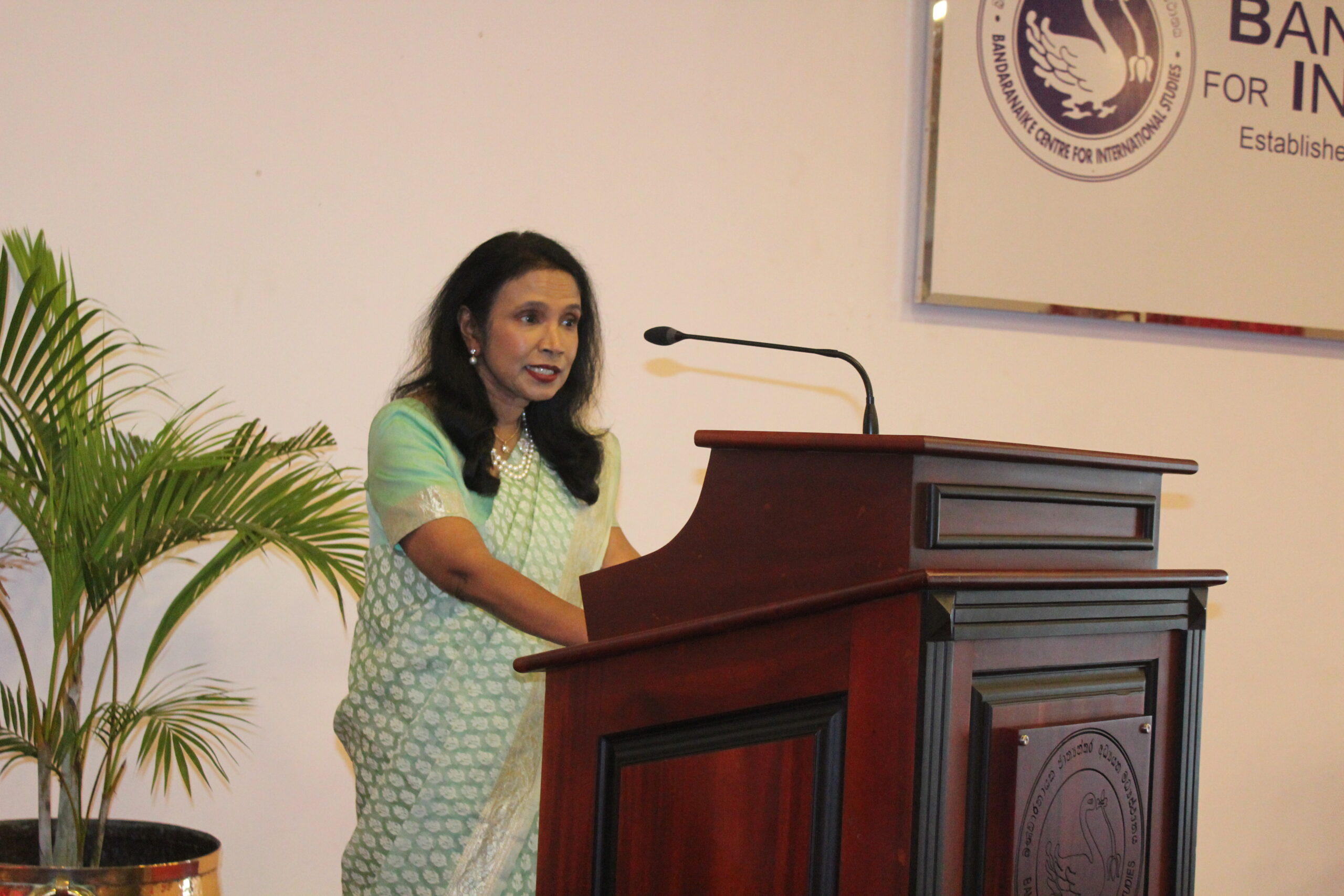
𝗘𝘃𝗲𝗻𝘁 𝗥𝗲𝗰𝗮𝗽 | 𝗔𝗜-𝗗𝗿𝗶𝘃𝗲𝗻 𝗟𝗲𝘁𝗵𝗮𝗹 𝗔𝘂𝘁𝗼𝗻𝗼𝗺𝗼𝘂𝘀 𝗪𝗲𝗮𝗽𝗼𝗻 𝗦𝘆𝘀𝘁𝗲𝗺𝘀 & 𝘁𝗵𝗲 𝗙𝘂𝘁𝘂𝗿𝗲 𝗼𝗳 𝗜𝗻𝘁𝗲𝗿𝗻𝗮𝘁𝗶𝗼𝗻𝗮𝗹 𝗟𝗮𝘄
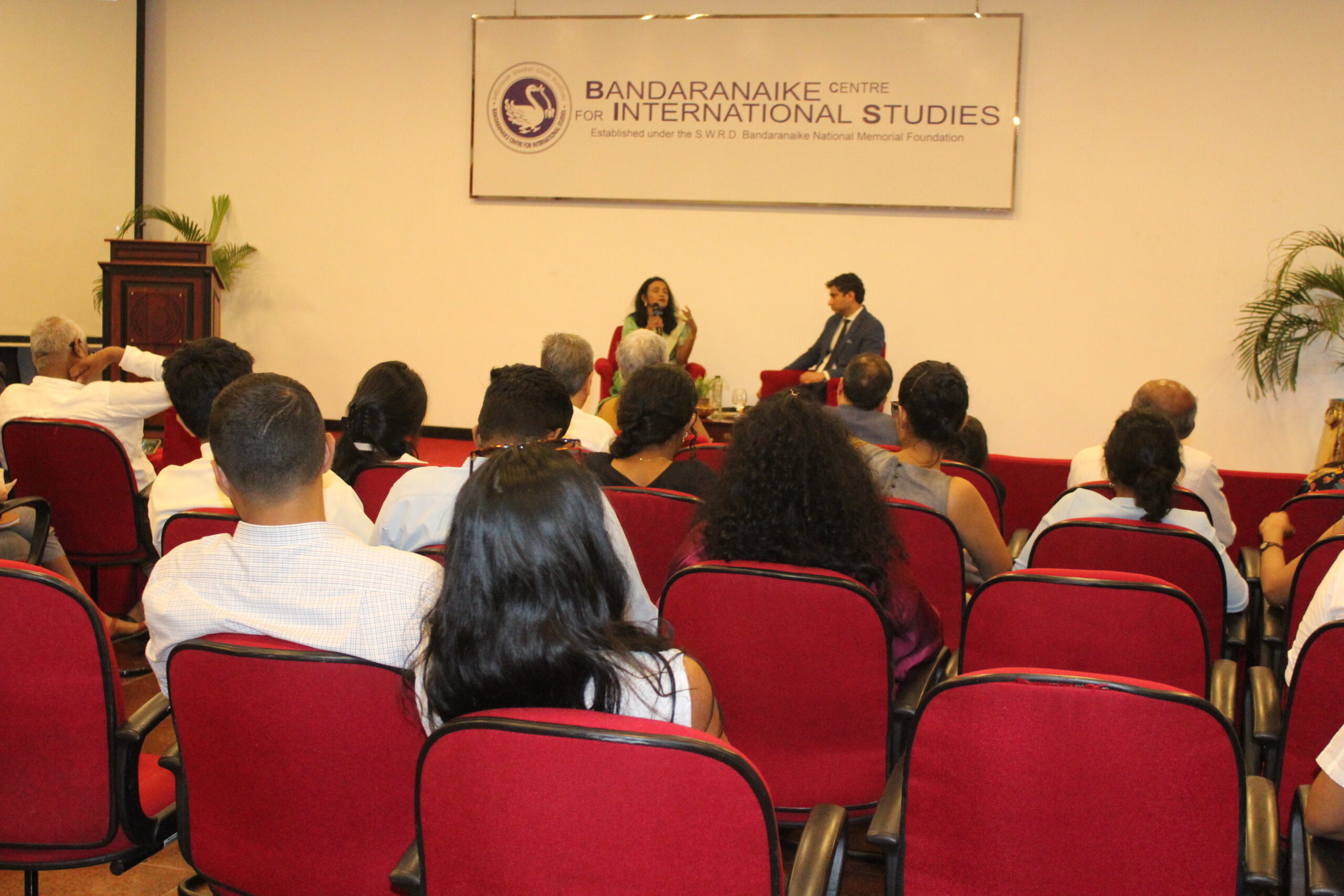
BCIS was honoured to host an engaging discussion featuring Prof. Rangita de Silva de Alwis, moderated by Dr. Gehan Gunatilleke, on one of the most pressing challenges at the intersection of technology, security, and global governance.
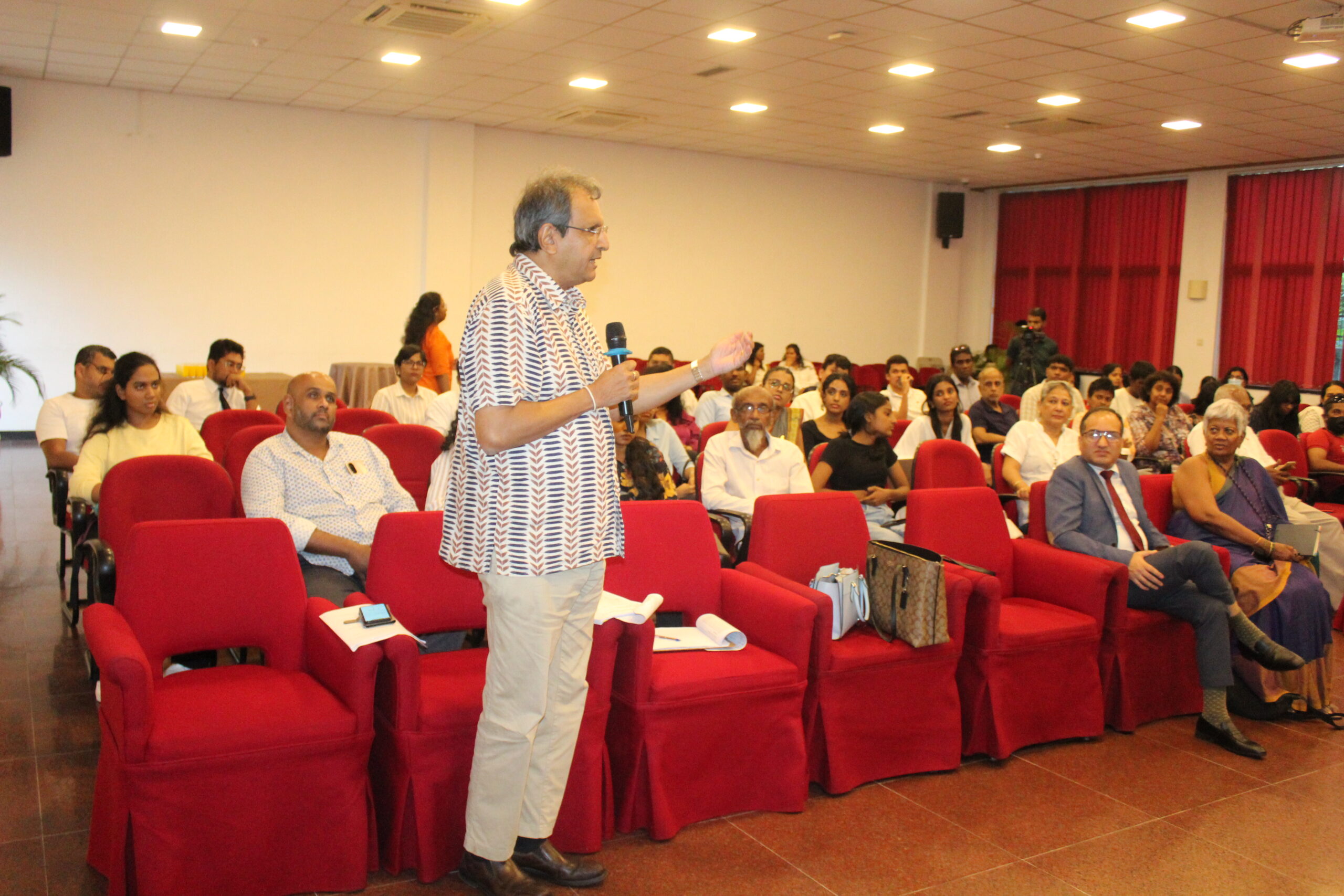
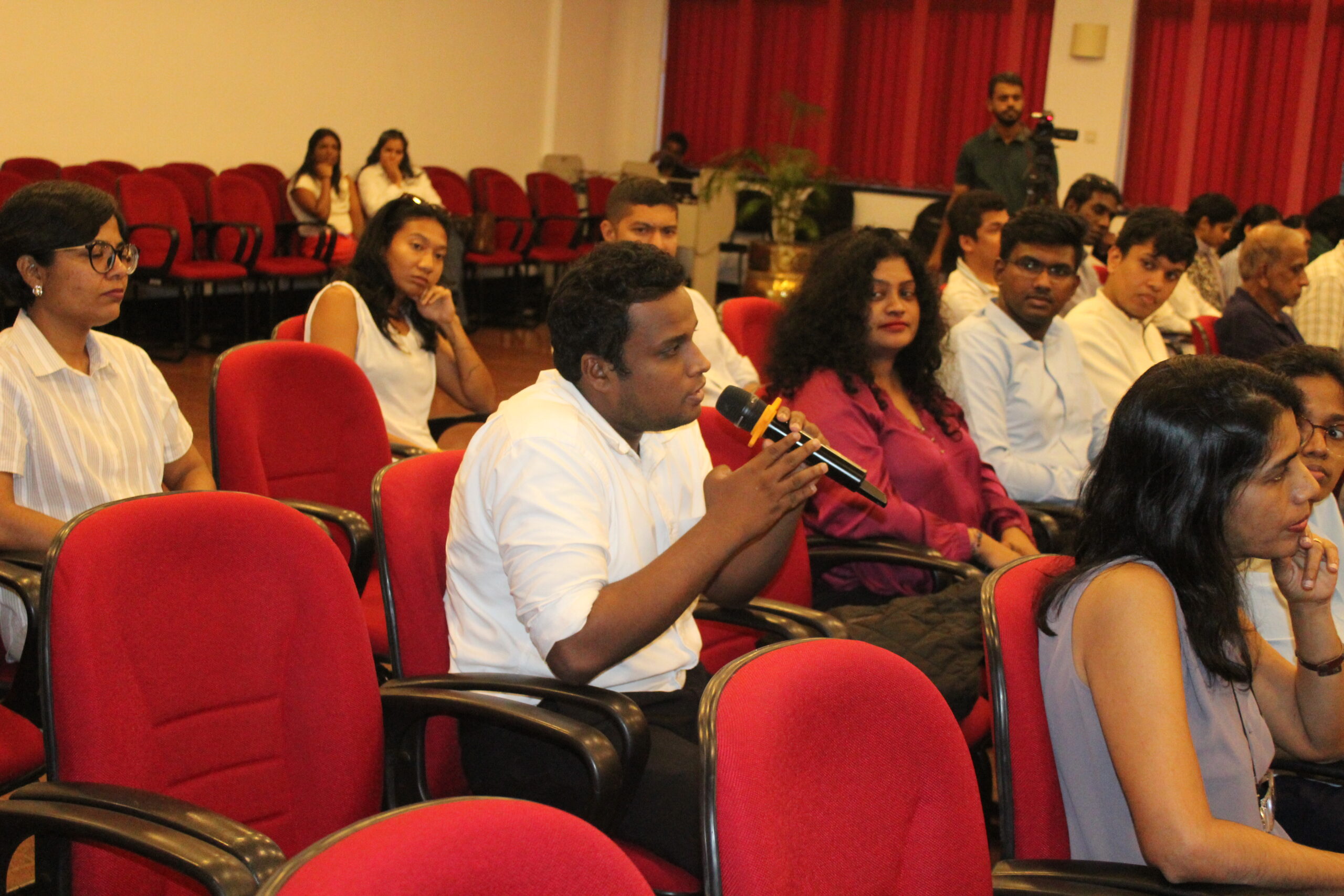
The session explored the complex legal and ethical challenges posed by AI-driven lethal autonomous weapon systems (LAWS). As advances in artificial intelligence continue to transform modern warfare, existing international legal and regulatory frameworks are struggling to keep pace. The discussion examined questions surrounding accountability, meaningful human control, ethical responsibility, and compliance with international humanitarian law, while highlighting the urgent need for legal frameworks that evolve alongside technological innovation without compromising human dignity, civilian protection, or accountability in armed conflict.
We extend our sincere thanks to Prof. de Silva de Alwis, Dr. Gunatilleke, and everyone who joined us for a thought-provoking and timely discussion.
—————————————————————————————————————————